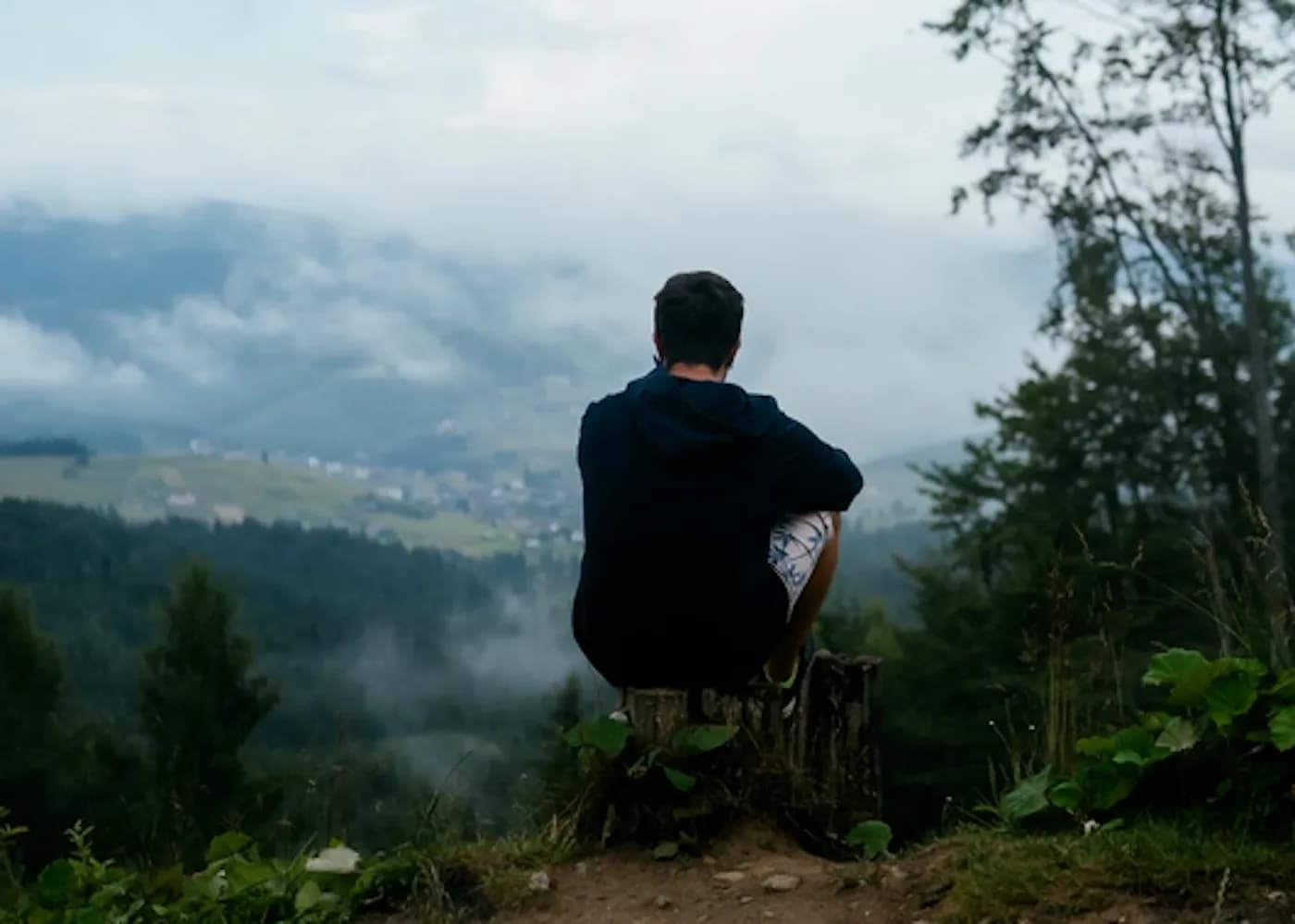
Being alone is not a problem by itself. In fact, time alone can be restful, creative, and important. But if porn has often been part of what you do when nobody else is around, solitude can become a powerful trigger.
The pattern can develop quietly. You finally have privacy, there is nothing urgent to do, and your mind starts looking for stimulation. Because porn is easy, familiar, and private, it becomes an obvious option.
This can create the impression that being alone is dangerous.
It is not.
What usually needs to change is not solitude itself, but what you have learned to associate with it.
If your brain has repeatedly connected privacy with porn, then the first few moments alone may automatically bring the habit to mind. That does not mean you truly need it. It means your brain recognizes a familiar situation and predicts what usually happens next.
The good news is that associations can change.
The easiest way to begin is to give your alone time more structure. This does not mean planning every minute. It simply means knowing what you want to do before boredom starts deciding for you.
Maybe you cook something, watch a film, work on a project, play a game, exercise, clean, read, or go for a walk. The activity is less important than the fact that it is intentional.
There is a big difference between I am spending the evening alone and I am lying around scrolling until something grabs my attention.
Unstructured time is often where autopilot grows.
It also helps to notice what kind of loneliness you are experiencing. Sometimes you are physically alone but perfectly content. Other times, being alone brings up a feeling of disconnection, rejection, or emptiness. Porn can temporarily cover that feeling, but it does not usually resolve it.
In those moments, the more useful response may be connection rather than distraction.
Message someone. Call a friend. Spend time somewhere public. Join a group activity. Even a small interaction can shift the feeling that you are cut off from everyone else.
You do not need to become constantly social. The point is simply to distinguish between I want some time to myself and I feel isolated and am trying to numb it.
Those are different needs.
Evenings can be especially difficult because energy is lower and there are fewer distractions. If that is your vulnerable time, try creating a routine you actually enjoy. Make food. Put on a show. Shower. Prepare for the next day. Read. Go to bed at a reasonable time.
A predictable evening may sound boring, but predictability can be calming when your old routine depended on wandering from one source of stimulation to another.
You may also notice that urges are stronger when you know nobody can interrupt you. That is useful information. If complete privacy is a major trigger, spend some of your most difficult hours in a shared or public space when possible. Work from a café, sit in the living room, go to the gym, or simply keep yourself around other people.
This is not something you have to do forever.
You are giving yourself support while the association between being alone and watching porn becomes weaker.
Eventually, solitude can start feeling different. It can become a time when you rest, think, work, create, or simply enjoy your own company without needing intense stimulation.
That is an important part of recovery too.
You are not only learning how to avoid porn.
You are learning how to be comfortable with yourself when there is nothing and nobody else demanding your attention.
Takeaway
Being alone does not have to lead to porn. If solitude has become part of the habit, you can slowly teach your brain a different routine by giving your time more intention and recognizing when what you really need is connection.
Small reflection
Think about the times you are most likely to watch porn when you are alone.
Ask yourself:
Am I actually enjoying solitude, or am I bored, lonely, tired, or looking for something to escape into?
Knowing the difference can tell you what you really need in that moment.